The Magic Of Korean Thrillers
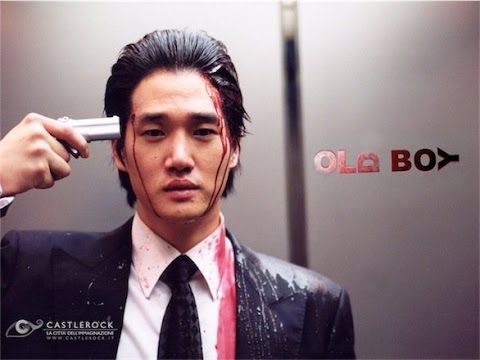
Whether it's the sudden twist of Oldboy to the unflinching terror of I Saw The Devil, the unapologetic fury that encases these thrillers is something Hollywood would dare to copy but never achieve. The sheer brutality that explodes on the screen shows us, the audience, that no care is taken to how we feel or expect things to end for those tortured characters we are drawn to. It's unforgiving in how the plot is stripped bare, driving us down bumpy storytelling roads that make us uncomfortable and uneasy to explore. These thrillers do not expect the viewer to know the answers and if you think you do it's probably going to be 10 times worse than what you predicted.
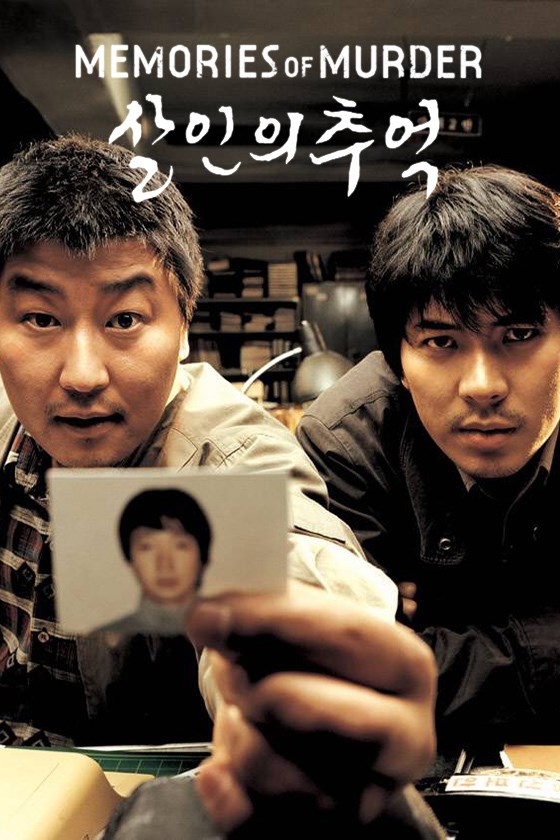
We have been spoiled by American thrillers. The happy ending. The closed case. The weak twist. The resolved emotions. Of being driven to the edge of the cliff, only to be yanked back again as if it was some sorry prank. The need to shock our audience with pints of blood or beheaded victims. As if more gore means more dark. And more dark means more mature. The stringy scores against barren landscapes, the crime scenes with broken bodies, the moody cigarette breaks with a bottle in hand. All materialistic, driven to inject emotion at force. A formula that has to be used to please us. To make us comfortable. Because no one wants to leave a movie feeling cold, mad, dangerous, angry at the world. But Korean thrillers do not ask what you want. Memories of Murders does not ask what ending you want. It does not ask you if you want a satisfying answer. It drops the horror of the unknown on your lap and forces you to contemplate with the conclusion. You are left alone, confused just as the detective is on screen. And in that moment you share the emotion of the character at the same exact time. Unfiltered, natural, real, and not forced.

The violence in I Saw The Devil is needed. It is not a tool to be used for shock. It isn't to get gasps from the audience. It is used to convey a sense of vengeance, a character in itself. In torture the plot continues. The gruesomeness in which the story reveals itself does not care what the audience can handle. It isn't interested in us. Its focus is on the actors on screen and giving us a story uncensored in its rage. And an ending with a conclusion, the bad guy dead, but still a sense of hopelessness. Once the villain was vanquished, life wasn't magically repaired. Things didn't return to normal. There was still emptiness in our anti-hero as he walked down the road alone, damaged by his actions and us the audience walking along beside him.

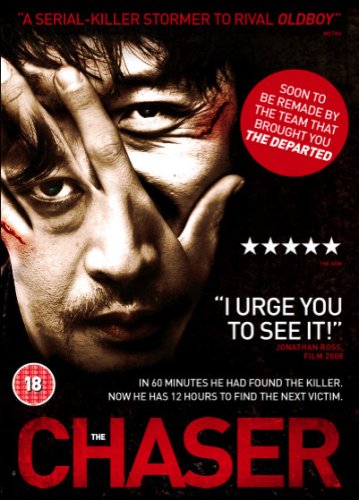
In The Yellow Sea a sense of urgency beats upon you, never letting a chance for a breath to take place. The pace unlike anything in American cinema with chase scenes that make you feel like you're the one being pursued. The Chaser which builds tension like a Jenga set, stacking pieces together as our unlikely hero, a ragged pimp, pursues a violent murderer on the streets of Korea. That once the ending comes isn't afraid to pull the one damaging piece to collapse the whole fucking thing down upon us. To almost saving this girl to having a hammer bash her skull in like it's nothing. You say to yourself "He's going to save her, he's going to save her." You chant this to yourself as the minutes wind down, the tension builds up to a climax...."he's going to sa-" then it happens. So unforgiving. So brutal. Korean thrillers run through violence like a buzz saw, killing whoever is needed, unwary of the audience that watches. It slashes through the bullshit, gets to the guts if needed and isn't afraid to go there.
And who can forget the masterpiece Oldboy? One of the greatest movies ever made. One of the greatest twists ever written. Not because the audience needed it. Not because it was a cheap trick. Because it was necessary for the character. The darkness that explodes on screen as we take a trip with our two lonely characters: one a man out for vengeance and the other an innocent bystander in the horror. But it isn't really about the twist. It's about the utterly gruesome trip we take to get there. With with blood and laughter and sorrow that drags along with us in the passenger seat. And when it's revealed, we share the same horror. We are living his nightmare. What movie other than a Korean thriller would take its hero and make him beg on screen as an ending? It should be a shootout, a cheap fight scene with our hero saving the day and the girl. But no. We see our hero pleading with the villain, hopeless, defenseless, without guard, weak like a sick puppy. It takes our strong hero and rips him apart. The brutality of not giving a fuck, that is the magic of Korean thrillers.


Comments
Post a Comment