How to Make Video Game Movies Work
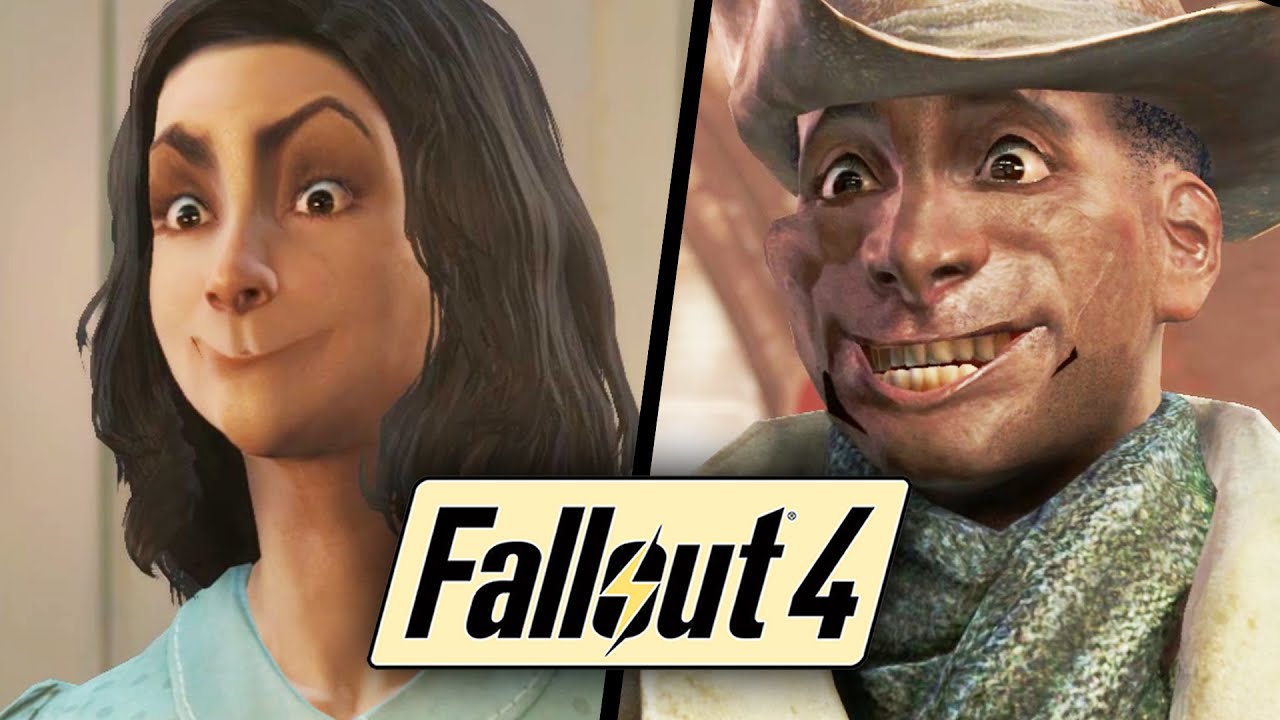
Whether it's the double kicking campy disaster like Mortal Kombat or the insane WTF-is-going-on series of Resident Evil, video game movies for critics have been like the distant cousin that you don't want to acknowledge. You hate him but you have to see him every year on that special day. You know it's coming and you prepare your mind for the absolute hogwash you're about to witness. Because Timmy has always been a jerk. You honestly think he's a perv. But it's family reunion time so you have to sit your ass in that chair and listen to his grotesque stories while wishing you were dead. This must be the rantings of the prestige movie guru before he sees Warcraft. "I mean how can video games even be made into movies? Do adults even play video games? WHY CAN'T EVERY MOVIE BE A FRENCH MOVIE!!!?" asks the NY Times critic. I get the frustration. All the way back since Super Mario Bros. video game movies have been the scourge of the film industry. Many have tried, all have failed. (Except maybe Assassin's Creed but whatever). Some even say it can't be done. "It's an exclusive medium. It doesn't play well to single format story telling!" screams the Full Sail Film Graduate at his McDonalds job.
But I'm young enough to remember when critics hated superhero movies, now every Marvel movie that comes out gets a fresh rating. Logan is on it's way to the Oscars. And Wonder Woman gave DC it's first bundle of tomatoes. So why can't screenwriters crack this particular code? Video games is a bigger field than comics and has more story to mine. If you think about it turning Tomb Raider into a movie is a hell of a lot easier than a fucking talking raccoon in space guarded by a walking tree who teams up with an Earthling named Star-Lord to save an alien planet from another alien because they broke a peace treaty and he really liked that peace treaty? The other is a woman who searches for treasure. Oh. So what the hell is going on here? I have no idea. But let me write about it anyway.

1. Lore Have Mercy
The main goal of a video game is gameplay. Gameplay stands tall above every factor. Story telling is always second. Sometimes it's not even needed like Minecraft. With movies it's the other way around. Story is king. It's what drives the movie. Same thing with comics & novels. So when adapting the latter two the foundation is already strong for a writer to stand on. With video games a screenwriter is already at a disadvantage. It adds another component that is unadaptable. Most of the story a player is in control, guiding the decisions of the character. Who to kill, who the love, who to side with. So how does a writer take those multiple paths and turn it into a singular vision? You focus on the lore. Not the main story.
Every game has one. Even Grand Theft Auto. It's the engine that keeps the game running that no one notices except die hard fans. The books on the shelf in Elder Scrolls or the scientist's diary next to the shining object that opens a key door in Resident Evil. Every video game designer's first task when making a game is world building. Every screenwriter's dream. To create something from the ground up and play in it again and again. Take parts from that world. Use it's history as your foundation and build from the ground up. Resident Evil franchise is a perfect example of this. They used bits and pieces of that universe, leaned heavy on it's lore and created a new story that fans and non-gamers can enjoy. It's no wonder it's the most successful video game franchise of all time. It's not a critical darling but that isn't the game's fault. If you're ripping from the main story it won't work because you can't adapt button mashing. And you shouldn't be able too because people would just play the game instead. Would you rather watch someone play a game or do it yourself? Every video game has a backstory that took years to create. Mine it don't deny it. Forget the path already walked by millions of players that gave them hundreds of hours of fun that will never be recreated in a theater. You have to give them something else. Something new.
Every game has one. Even Grand Theft Auto. It's the engine that keeps the game running that no one notices except die hard fans. The books on the shelf in Elder Scrolls or the scientist's diary next to the shining object that opens a key door in Resident Evil. Every video game designer's first task when making a game is world building. Every screenwriter's dream. To create something from the ground up and play in it again and again. Take parts from that world. Use it's history as your foundation and build from the ground up. Resident Evil franchise is a perfect example of this. They used bits and pieces of that universe, leaned heavy on it's lore and created a new story that fans and non-gamers can enjoy. It's no wonder it's the most successful video game franchise of all time. It's not a critical darling but that isn't the game's fault. If you're ripping from the main story it won't work because you can't adapt button mashing. And you shouldn't be able too because people would just play the game instead. Would you rather watch someone play a game or do it yourself? Every video game has a backstory that took years to create. Mine it don't deny it. Forget the path already walked by millions of players that gave them hundreds of hours of fun that will never be recreated in a theater. You have to give them something else. Something new.

2. A New Game
Start fresh. A new story with new characters. New to gamers so they have a reason to go and movie audiences who wouldn't want to see a movie after that stupid game commercial they just saw. If you give gamers a new story it's almost like a DLC. Forget that. It's almost like a new game. It gives a reason for the huge fan base of gamers to get off couches and see the movie and non-gamers to go "Hey that doesn't look like the dumb game commercial that I saw last week. This is something fresh I can work with! Nice!" A new story interwoven with pre-existing characters freckled in will connect strong fan bases with new audiences.
The Young Nathan Drake movie being directed by Shawn Levy and staring Tom Holland is a great example because it's the perfect direction the movie franchise should take and an idea I recommended when commenting on movie sites (although I said Dylan O Brian should be Nathan Drake but Tom Holland is just as great). It just makes perfect sense. Why tell the same story over again? The games are already practically movies. With a young Nathan Drake you're giving the huge fan base a new story on a beloved character and opening up his mysterious past while at the same time introducing him to non-gamers with a fresh plate. So you can play the games, watch the Shawn Levy movies then continue the story with the games. You build trust with your audience so if you even decide to pick up where A Thief's End left off you can because you earned it.
The Young Nathan Drake movie being directed by Shawn Levy and staring Tom Holland is a great example because it's the perfect direction the movie franchise should take and an idea I recommended when commenting on movie sites (although I said Dylan O Brian should be Nathan Drake but Tom Holland is just as great). It just makes perfect sense. Why tell the same story over again? The games are already practically movies. With a young Nathan Drake you're giving the huge fan base a new story on a beloved character and opening up his mysterious past while at the same time introducing him to non-gamers with a fresh plate. So you can play the games, watch the Shawn Levy movies then continue the story with the games. You build trust with your audience so if you even decide to pick up where A Thief's End left off you can because you earned it.
3. Co-Op Play
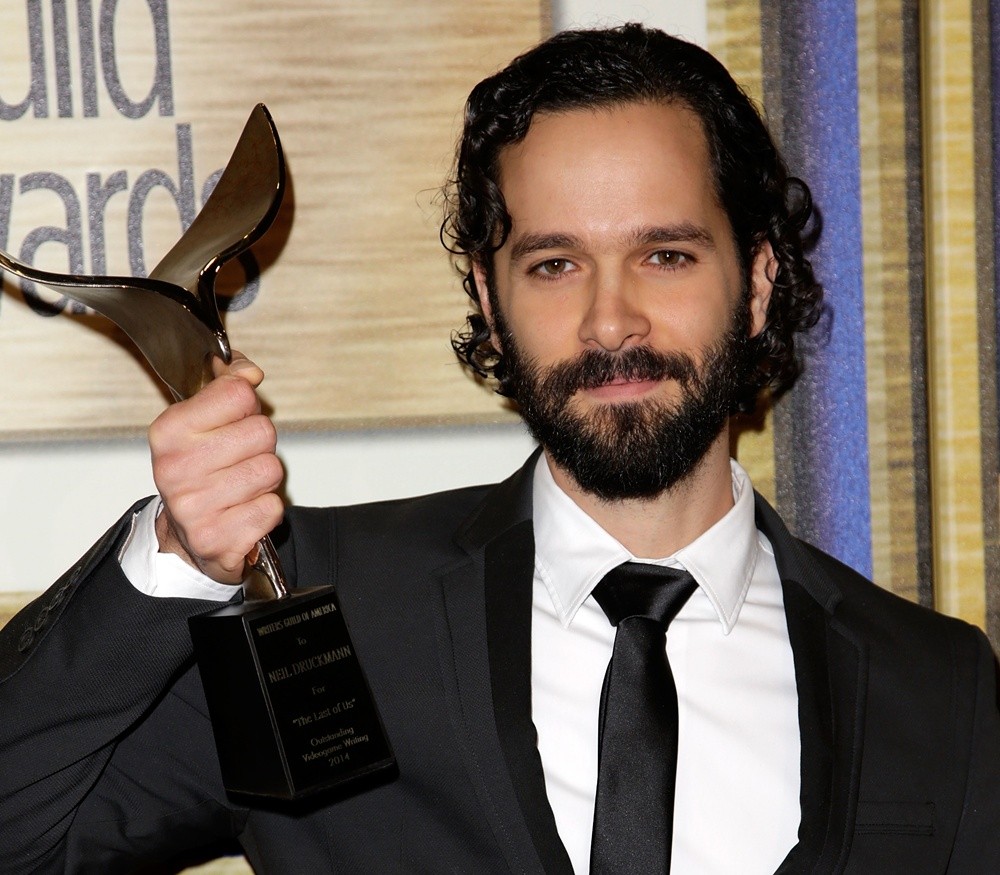
The people who write these games are writers too. They sweat over a keyboard thinking of the words to say. They brainstorm ideas for hours to make their story a good one. Use them. Use Drew Karpyshyn, use Hideo Kojima, use Amy Hennig. Use the game designers. Use Todd Howard, use Neil Druckmann. If you're making a Star Wars movie you don't shut out George Lucas do you? Well maybe. But you still seek his council. Because he's the mastermind behind all of this. None of it would be possible if it wasn't for him. You might think you know what's best for that world but you probably don't. He does. And whatever big decision isn't given his blessing or ran past him is bordering on fan fiction. Working closely with studios and their writers allows you to bridge the gap between both worlds. You can honor the source material and it's base allowing you the space (and privilege) to build upon it. Plus as an added bonus you get the thumbs up from the fans and not an angry mob sending you death threats in the form of e-mails!"YOU RUINED MASS EFFECT. DIE BITCH."
- Sent From An iPhone.

4. Dumb It Down
And last and certainly least because probably everyone knows this.
Forget the fan base.
"What!? But you just wrote a textbook on pleasing the fan base! What are you an idiot!? "
Forget the fan base.
"What!? But you just wrote a textbook on pleasing the fan base! What are you an idiot!? "
I really didn't.
But it is true. You shouldn't neglect them.
Well maybe just a little.
No a whole lot.
A LOT.
Ok maybe "forget the fan base" is a little too harsh but you get the gist. My time wasting writing this article I wrote about bridging the gaps between both worlds and making BOTH SIDES happy. The gamers and the non-gamers. But let's be honest with ourselves. One side is going to get shortchanged and it has to be the gamers. No fan base has ever singlehandedly carried an established property their first rodeo out. Ever. You can't count on them to see your movie. It's just not going to happen. Scott Pilgrim vs. The World failed because it thought if it 100% straight up adapts this comic the fans will support it. They didn't. Movies always have to count on the general movie audience. All the time. That's why studio execs never listen to fans! Because if fanboys had their way Jason Statham would be in every fucking movie. The gamers have already been pleased with that world. You want to grab a whole reality out there that doesn't even bother to pick up a control.
"But isn't it better to have them on your side?" asks my mother.
Of course it is. Happy fan base can spread the word to other people and on and on it goes. The idea is to connect both worlds and don't shut either out. You need both. Just one a little more than the other. This probably means changing the lore here and there to make it easier for the general audience to understand. Did anyone know what the hell was going on in that Warcraft trailer? Yeah. The hardcore fans did. But everyone else? Nope. And when the audience can't understand they don't care. Does this mean changing the color of some characters for a more Fast & Furious like cast to get those big international numbers? Maybe. Sure it will probably piss off some fans but Iron Man 3 had Ben Kingsley as The Mandarin when he's been this ancient Asian dude for decades and the movie was still a success. Because Marvel changed some things around to make it work and the general audience dug it. It made him funny. And everyone likes funny.
The bottom line. You can't please everybody. But if you're aiming for someone, aim for the people who actually pay to see movies.


Comments
Post a Comment